

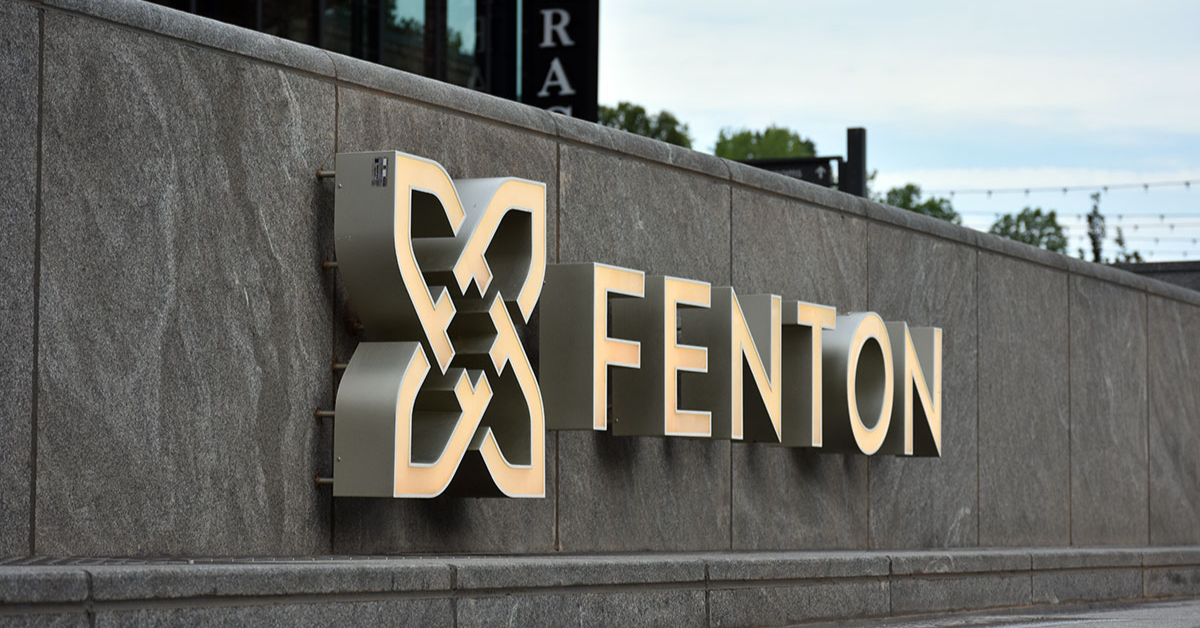
Architectural signage plays an important role in how people experience commercial spaces. From office buildings and hotels to universities and healthcare facilities, signage helps identify locations, guide visitors, and reinforce brand identity. While many materials can be used in signage systems, metal sign fabrication has become one of the most trusted approaches for projects that demand durability, precision, and visual impact.
Architectural signage is often designed to complement the surrounding structure rather than stand apart from it. Materials, finishes, and construction methods must align with the architecture while remaining functional and highly visible. Metal sign fabrication provides the strength, versatility, and craftsmanship needed to achieve these goals while maintaining long-term performance.
Understanding how metal fabrication enhances architectural signage can help organizations choose signage solutions that deliver lasting value and visual appeal.
The Relationship Between Signage and Architecture
Architecture defines how people interact with a building or environment. Materials, lighting, scale, and layout all influence the way visitors perceive a space. Signage becomes part of that experience because it communicates information while visually integrating with the building’s design.
When signage feels disconnected from the architecture, it can appear temporary or out of place. Metal sign fabrication allows signage to be designed as a natural extension of the building itself. Metal finishes, dimensional lettering, and precision-cut components help signage blend seamlessly into architectural elements.
This integration is especially important in environments where aesthetics play a key role in brand perception. Corporate campuses, hospitality properties, and public institutions often rely on architectural signage to reinforce identity while maintaining a polished and professional appearance.
Durability and Structural Strength
Architectural signage is expected to perform reliably for years, often in demanding environments. Buildings are exposed to weather conditions, sunlight, temperature changes, and daily wear. Materials used in signage must withstand these factors without losing clarity or structural integrity.
Metal sign fabrication provides exceptional durability compared to many alternative materials. Metals such as aluminum, stainless steel, and brass resist corrosion, fading, and structural damage when properly finished.
This durability makes metal an ideal choice for exterior architectural signage where longevity is essential. Businesses and organizations benefit from signage that maintains its appearance over time without frequent replacement or repair.
Precision and Craftsmanship
Architectural signage often requires high levels of precision to align with building elements and design specifications. Dimensional letters, logos, and custom shapes must be fabricated accurately to maintain visual balance and readability.
Metal sign fabrication supports this level of precision through advanced cutting, shaping, and finishing techniques. Technologies such as CNC routing, laser cutting, and waterjet cutting allow fabricators to produce intricate details with consistent accuracy.
This precision ensures that signage appears refined and professional when installed. Clean edges, balanced proportions, and consistent finishes contribute to a high-quality result that enhances the overall architecture.
Material Versatility for Architectural Design
One of the greatest advantages of metal sign fabrication is the wide range of materials available. Different metals offer distinct visual characteristics and performance benefits, allowing designers to choose options that complement specific architectural styles.
Aluminum is lightweight, corrosion resistant, and commonly used in exterior signage. Stainless steel offers strength and a sleek, modern appearance often associated with contemporary architecture. Brass and bronze provide warmer tones that work well in traditional or historic settings.
Because of this versatility, metal sign fabrication can support a wide variety of architectural aesthetics. Whether a building emphasizes modern minimalism or classic elegance, metal signage can be tailored to match the design language.
Dimensional Lettering and Visual Depth
Flat signs may provide information, but dimensional signage adds depth and character to architectural environments. Raised lettering, layered panels, and sculpted elements create visual interest while improving visibility.
Metal sign fabrication makes dimensional signage possible through techniques that shape metal into three-dimensional forms. Letters can be cut, bent, and mounted to create shadows and contrast that enhance readability from a distance.
Dimensional signage also contributes to a more sophisticated visual presence. When visitors approach a building, dimensional letters mounted directly to architectural surfaces often feel more integrated and permanent than flat sign panels.
Enhancing Brand Identity Through Materials
Architectural signage often carries a brand’s logo, name, or messaging. The materials used to display that branding influence how people perceive the organization behind it.
Metal sign fabrication provides a sense of strength, permanence, and professionalism. These qualities are especially valuable for institutions such as universities, hospitals, corporate headquarters, and hospitality properties.
The finish of the metal can also reinforce brand personality. Brushed metal surfaces create a modern, understated appearance, while polished finishes offer a more refined aesthetic. Powder-coated metals allow signage to incorporate brand colors while maintaining durability.
Through thoughtful material selection, signage becomes an extension of the brand itself.
Integration with Building Materials
Architectural signage must work in harmony with surrounding materials. Buildings often incorporate stone, glass, wood, concrete, or metal cladding as part of their design.
Metal sign fabrication allows signage to integrate with these materials in ways that feel cohesive. Metal letters mounted on stone facades or metal panels incorporated into glass entryways can create balanced visual compositions.
Because metal is compatible with many construction materials, it offers flexibility during installation. This adaptability helps designers maintain the architectural vision while ensuring signage remains functional and visible.
Long-Term Value and Sustainability
Durable materials contribute to long-term sustainability by reducing the need for replacement. When signage lasts longer, fewer resources are required for repairs or new installations.
Metal sign fabrication supports sustainability goals because metal materials can often be recycled at the end of their lifespan. High-quality fabrication also ensures signage remains effective for many years, reducing waste associated with frequent replacements.
Organizations seeking long-term value often find that investing in durable signage materials leads to lower total costs over time.
Supporting Wayfinding in Large Architectural Spaces
Architectural environments such as hospitals, universities, airports, and corporate campuses often require complex wayfinding systems. Signage must guide visitors efficiently while maintaining visual consistency with the surrounding design.
Metal sign fabrication allows wayfinding signage to maintain durability and readability in high-traffic environments. Directional signs, building identifiers, and informational panels can all be produced using metal components that withstand daily use.
When wayfinding signage aligns with architectural design, visitors experience clearer navigation without visual clutter.
Lighting and Visibility
Lighting plays an important role in architectural signage, especially for exterior installations. Signs must remain visible during evening hours and in varying weather conditions.
Metal sign fabrication works well with lighting elements such as halo illumination or integrated fixtures. Metal letters and panels can be designed to accommodate lighting systems that enhance visibility while maintaining a clean architectural appearance.
These lighting solutions ensure signage continues to perform effectively throughout the day and night.
Professional Fabrication and Installation
Architectural signage projects often involve coordination between architects, designers, contractors, and fabricators. Each element must be carefully planned to ensure the final installation aligns with the building’s structure and design intent.
Metal sign fabrication requires expertise in engineering, materials, and installation techniques. Professional fabricators ensure that signage components meet safety requirements and maintain their structural integrity.
Proper installation also ensures signage remains securely attached to building surfaces while preserving architectural finishes.
Why Quality Matters in Architectural Signage
Signage becomes a visible representation of the organizations occupying a building. Poorly fabricated signage can undermine the design of even the most impressive structures.
Metal sign fabrication supports quality through durable materials, precise construction, and refined finishes. These qualities contribute to signage that looks intentional and professionally integrated with the building.
When signage complements architecture effectively, it enhances both functionality and visual impact.
Enhance Your Signage
Architectural signage serves as a bridge between design and communication. It identifies spaces, guides visitors, and reinforces brand presence while becoming part of the built environment.
Metal sign fabrication enhances architectural signage by providing durability, precision, and design flexibility. Through thoughtful material selection and expert craftsmanship, metal signage integrates seamlessly with architectural features while delivering long-term performance.
For organizations seeking signage solutions that combine strength, aesthetics, and lasting value, metal fabrication remains one of the most reliable approaches available.
If your organization is planning architectural signage that requires durability, precision, and professional craftsmanship, L&H Signs can help bring your vision to life.
Want to stay up to date with the latest at L&H Signs? Follow us on Instagram and Facebook and connect with us on LinkedIn!
Recent Comments