

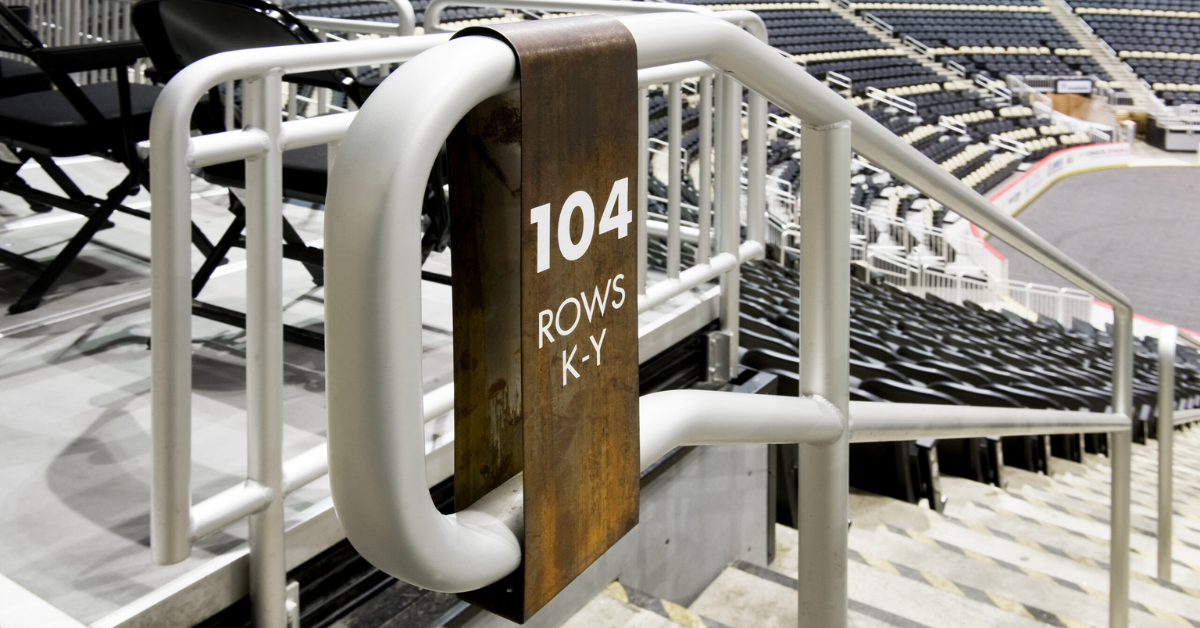
Arenas are evolving rapidly. From professional sports venues to concert halls, college facilities, and multi-purpose event centers, expectations for guest experience are higher than ever. Fans want excitement, clarity, safety, and immersion the moment they arrive. At the center of all of this is arena signage, which plays a critical role in guiding crowds, reinforcing branding, and driving engagement throughout the venue.
As we look ahead to 2026, arena signage is no longer limited to simple directional signs or static sponsor boards. Modern arenas are embracing innovation, technology, and thoughtful design to create environments that are intuitive, visually compelling, and adaptable. The trends shaping arena signage in 2026 reflect a growing emphasis on fan experience, operational efficiency, and long-term value.
Digital Integration Continues to Expand
One of the most significant trends in arena signage for 2026 is the continued expansion of digital technology. LED displays, dynamic message boards, and interactive screens have become standard features in modern venues, and their capabilities continue to grow.
Digital arena signage allows venues to update information in real time. Game schedules, event announcements, sponsor messaging, and emergency alerts can all be adjusted instantly. This flexibility reduces printing costs and ensures messaging is always accurate.
Digital signage also enhances engagement. Fans can view live stats, replays, crowd prompts, and promotional content throughout the arena. When strategically placed, these displays keep fans informed and energized from entry to exit.
Enhanced Wayfinding for Large Crowds
As arenas grow in size and complexity, wayfinding has become a top priority. Clear navigation reduces congestion, improves safety, and helps fans move confidently through the space. In 2026, arena signage for wayfinding is becoming more intuitive and data-driven.
Venues are placing greater emphasis on:
- Consistent typography and color coding by section
- Larger, high-contrast directional signs visible from a distance
- Clear identification of entrances, seating zones, restrooms, and concessions
- Strategic placement at decision points rather than after turns
Strong wayfinding arena signage reduces confusion, minimizes staff interruptions, and creates a smoother experience for attendees, especially first-time visitors.
Greater Focus on ADA Compliance and Accessibility
Accessibility continues to be a major focus in arena design, and signage is a key component of that effort. Arena signage in 2026 is increasingly designed with inclusivity in mind, ensuring all guests can navigate the venue independently and safely.
ADA-compliant signage includes tactile lettering, braille, proper mounting heights, non-glare finishes, and strong contrast. These features are essential for guests with visual impairments but also improve readability for everyone.
Modern fabrication techniques allow accessible arena signage to blend seamlessly with the venue’s design. Compliance no longer means sacrificing aesthetics. Instead, accessibility is being integrated as a core design principle rather than an afterthought.
Modular and Flexible Signage Systems
Arenas host a wide range of events throughout the year, including sporting events, concerts, tournaments, graduations, and conventions. Because of this, flexibility is essential. One major trend in arena signage for 2026 is modular design.
Modular signage systems allow venues to update content, sponsors, or event branding without replacing entire structures. Panels, inserts, and digital overlays can be swapped efficiently, reducing long-term costs and downtime.
This approach is especially valuable for venues with rotating sponsors or seasonal branding. Modular arena signage supports adaptability while maintaining a polished and professional appearance.
Sustainability and Responsible Materials
Environmental responsibility is influencing decisions across all industries, and arena signage is no exception. In 2026, venues are increasingly prioritizing sustainable materials and energy-efficient systems.
Common sustainability trends include:
- Recycled aluminum and steel
- Energy-efficient LED lighting
- Long-lasting materials that reduce replacement frequency
- Low-VOC paints and finishes
- Modular designs that reduce waste
Sustainable arena signage not only lowers environmental impact but also appeals to fans and partners who value responsible practices. Many venues now highlight sustainability as part of their brand identity.
Stronger Emphasis on Branding and Identity
Arena signage plays a critical role in shaping how fans perceive a venue. In 2026, signage is becoming more immersive and brand-focused. From the moment fans arrive, signage helps establish the atmosphere and reinforce identity.
Venues are using arena signage to:
- Showcase team colors and logos
- Highlight historical moments and achievements
- Reinforce sponsor partnerships
- Create visually striking entry experiences
- Maintain consistent branding throughout the venue
When signage aligns with architecture and interior design, it creates a cohesive environment that feels intentional and memorable.
Architectural and Dimensional Signage
Flat signs are giving way to dimensional and architectural signage elements. Three-dimensional letters, layered materials, and integrated lighting are increasingly popular in arena signage for 2026.
Dimensional signage adds depth and visual interest, making branding more impactful. These elements are often used at entrances, concourses, and premium seating areas to elevate the overall look of the venue.
Architectural arena signage is designed to complement the structure itself, becoming part of the building rather than an attachment. This approach enhances durability and visual harmony.
Improved Safety and Emergency Communication
Safety is always a top priority in large venues, and signage plays a vital role in emergency preparedness. Arena signage in 2026 is increasingly designed to support clear and immediate communication during emergencies.
This includes:
- Highly visible exit signage
- Clear stairwell and level identification
- Digital signs capable of displaying emergency instructions
- Consistent placement of safety messaging throughout the venue
Clear safety signage improves evacuation efficiency and reduces panic during critical situations. Modern arena signage systems often integrate with emergency management protocols to provide real-time guidance when needed.
Interactive Fan Engagement Features
Fan engagement continues to move beyond the game itself. In 2026, arena signage is being used to create interactive experiences that encourage participation and excitement.
Examples include:
- Digital prompts encouraging crowd participation
- Interactive displays featuring trivia or polls
- Social media integrations showing fan content
- Sponsor activations tied to signage experiences
Interactive arena signage helps fans feel connected to the event and the venue, increasing satisfaction and time spent on site.
Data-Informed Signage Placement
Venues are increasingly using data to inform signage strategy. Foot traffic patterns, congestion points, and dwell times are analyzed to determine the most effective placement of arena signage.
This data-driven approach ensures that signage is positioned where it is most needed and most visible. It also helps venues optimize sponsor exposure and improve wayfinding efficiency.
By understanding how fans move through the arena, operators can design signage systems that support both experience and revenue goals.
Long-Term Durability and Maintenance Planning
Arenas require signage that can withstand heavy use, large crowds, and frequent cleaning. Durability is a major trend influencing arena signage decisions in 2026.
High-quality materials, professional fabrication, and proper installation ensure signage remains attractive and functional over time. Venues are also prioritizing signage systems that are easy to maintain and update.
Durable arena signage reduces long-term costs and ensures the venue maintains a professional appearance across all events.
Why Professional Fabrication Matters
Arena signage is complex. It must balance aesthetics, safety, compliance, durability, and brand representation. Professional fabrication ensures all these elements work together effectively.
Experienced signage providers understand:
- Structural requirements for large-scale installations
- ADA and safety compliance
- Lighting integration
- Material performance in high-traffic environments
- Installation logistics for large venues
Working with professionals helps venues avoid costly mistakes and ensures arena signage delivers consistent value.
Preparing Your Arena for 2026 and Beyond
As fan expectations continue to evolve, arena signage must evolve with them. Venues that invest in modern, flexible, and thoughtfully designed signage systems position themselves for long-term success.
By embracing digital technology, accessibility, sustainability, and brand-driven design, arena signage becomes more than a functional necessity. It becomes a strategic asset that enhances experience, supports operations, and strengthens partnerships.
Partner with Experts in Arena Signage
L&H Signs specializes in designing and fabricating arena signage that meets the demands of large venues while delivering a strong visual impact. From concept through installation, our team helps arenas create signage systems built for performance, clarity, and longevity.
Want to stay up to date with the latest at L&H Signs? Follow us on Instagram and Facebook and connect with us on LinkedIn!
Recent Comments